
Featured News

More News

Developments Following Scientist Removals at ADA New Orleans Meeting
Following events at the ADA Scientific Sessions in June, a number of concerns raised regarding the ADA's professional section remain unresolved. As a result, a boycott of ADA activities has been initiated by leading figures in diabetes research. The text below includes relevant hyperlinks with further information. Those who wish to review the petition and consider whether to sign it may do so at the links provided. This information is being shared for member awareness.
GLP-1s 101: Stanford Medicine Endocrinologist and SDRC Investigator Sun H. Kim, with Others, Weighs In on Weight Loss, Side Effects and Safety
Stanford Medicine endocrinologist Sun H. Kim, MD, MS, and bariatric surgeon Dan Azagury, MD, FACS, break down how GLP-1 medications work, who may benefit, and why they're not a one-size-fits-all solution. [Watch the video →]. Read full Article here.
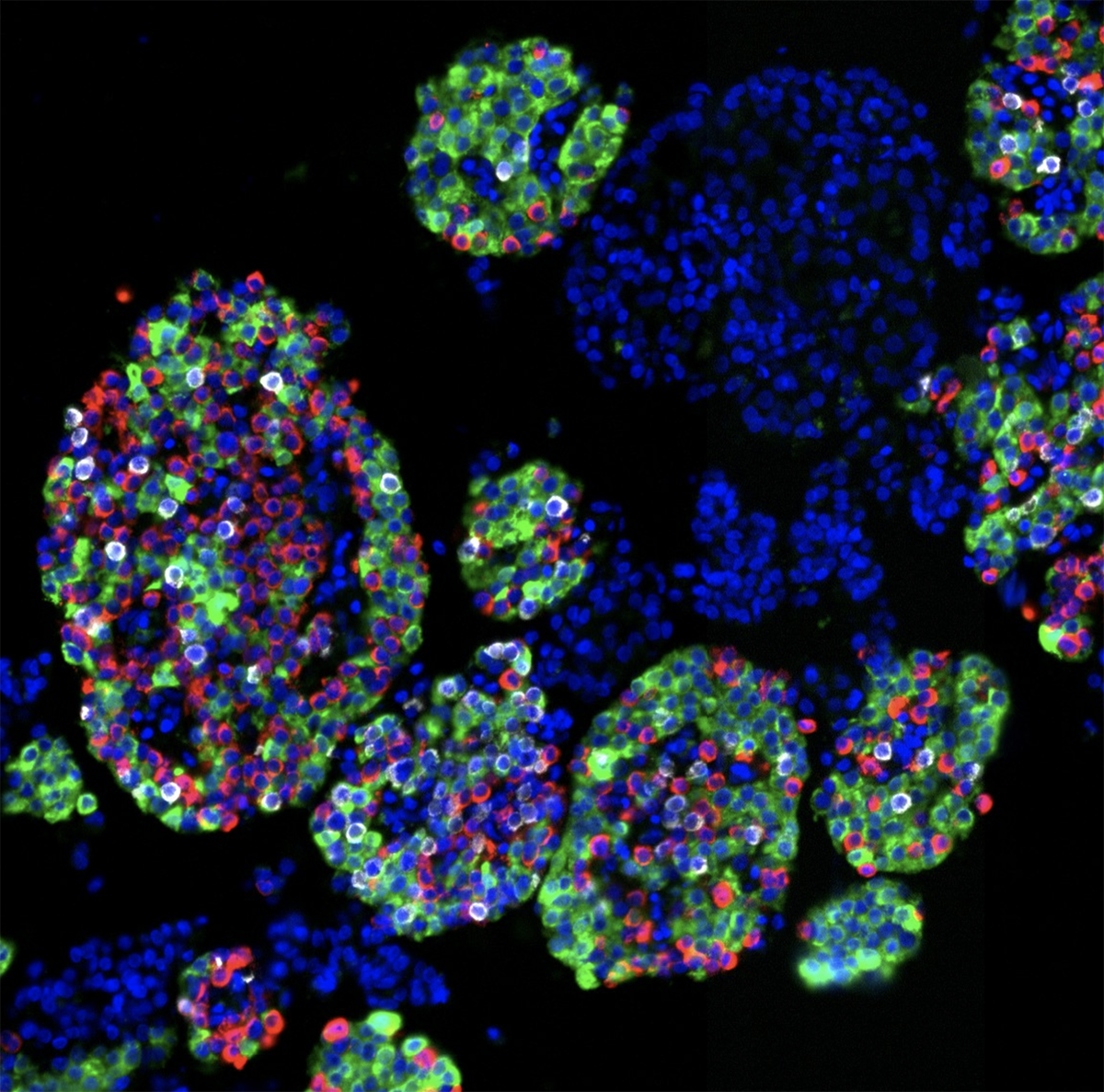
New Study from the NIH Integrated Islet Distribution Program and DRCs Reveals How Human Pancreatic Islet Cell Composition Shapes Diabetes Risk
SDRC member Anna Gloyn and others lead efforts mapping diabetes risk to pancreatic islet cell heterogeneity and genes that could drive variation in blood sugar regulation.

Why Ozempic May Not Work for Everyone: SDRC Investigator Anna Gloyn and Colleagues Uncover a Genetic Resistance to GLP-1 Drugs
A decade-long study finds that roughly 1 in 10 people carry genetic variants that may blunt the blood sugar-lowering effects of widely used diabetes medications — raising new questions about precision medicine in diabetes care. Read more...

A Python-Derived Molecule Called pTOS Could Point to New Weight-Loss Pathways
SDRC Investigator Dr. Jonathan Long's latest research reveals how pTOS — a metabolite that surges dramatically in snake blood after a meal — may offer a novel approach to appetite regulation with implications for diabetes care.
Following events at the ADA Scientific Sessions in June, a number of concerns raised regarding the ADA's professional section remain unresolved. As a result, a boycott of ADA activities has been initiated by leading figures in diabetes research. The text below includes relevant hyperlinks with further information. Those who wish to review the petition and consider whether to sign it may do so at the links provided. This information is being shared for member awareness.