
Type 1 Diabetes Care Program Launch
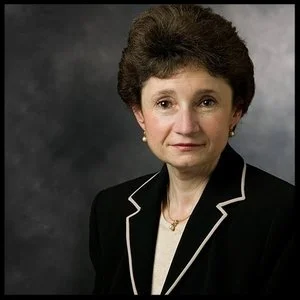
The Stanford Health Care (SHC) system is excited to announce the launch of a new Type 1 Diabetes (T1D) Care program on November 14th, at the Stanford World Diabetes Day Health Fair, to fulfill an unmet need within their growing community of T1D patients. Dr. Marina Basina who is a clinician heading the Diabetes Care Program run by the SHC system and supported by Stanford Diabetes Research Center (SDRC) resources helps patients manage their diabetes through an integrated and personalized approach to diabetes management. Dr. Basina and Anna Simos, the Program Manager for the Diabetes Care Program shared their vision for the T1D Care Program at Stanford.
“T1D is a 24-hour, 7 days a week, and 365 days a year condition. There are no days off with T1D”, says Dr. Basina, emphasizing that diabetes care is rightly considered to be one of the most psychologically and behaviorally demanding of chronic medical conditions. The SHC Diabetes Care Program which has served more than 2000 patients since its inception, has been nationally recognized since April 2017 and was acclaimed for Best Care practices for Diabetes Self-Management Education by the American Diabetes Association.
So why the need for a program that specifically serves type 1 diabetics?
“Through our Diabetes Care Program, we have found that our T1D patients greatly benefit from having access to an interdisciplinary team of specialists. Although T1D and T2D both have the word ‘Diabetes’ included in their names, they are very different diseases states. We acknowledge the differences between these communities and decided that it was time to recognize the unique needs of our adult T1D patients”, says Dr. Basina.
The primary goal of the T1D Care Program is to work with T1D patients and assist in integrating the latest technology and applied research in nutrition, exercise and proper blood glucose management techniques to align with their life's priorities and improve outcomes. Through the T1D Care Program, patients will have access to diabetes education, management support and continuity of care.
Importantly, the T1D Care Program will coordinate with SHC clinics and partner groups such as JDRF, Beyond Type 1 and Carb DM to seamlessly integrate specific aspects of T1D care such as advocacy, technology, nutritional counseling and education programs tailored to the individual’s needs, referrals and opportunities to learn about and participate in research studies, and collaborating with institutions and organizations to establish islet transplantation programs for T1D patients. “We are fortunate that SHC clinics exist within a community that has robust resources for individuals with T1D”, says Anna Simos.
An individualized approach to diabetes care is a key facet of the new T1D Care Program. While developing and implementing the existing Diabetes Care Program, Dr. Basina learned that a one-size-fits-all diabetes management strategy is not the most effective way to improve patient outcomes. “Instead, we encouraged our patients to identify their own goals through an assessment questionnaire, which in turn provided us with an opportunity to learn about their priorities. This approach has helped create meaningful partnerships with patients and their families to improve outcomes”, she notes.
Speaking about the T1D Care Program Launch, Anna Simos exhorts us to mark our calendars. “We are so excited to announce the launch of our T1D Care Program on November 14, 2019, which coincides with World Diabetes Day and our 6th Annual SHC Wellness Fair!” The Wellness Fair will include wellness screening, education, technology and vendor booths, as well as featuring two celebrity guests. “We are proud to have the opportunity to host Celebrity Chef Doreen Colondres who authored the website The Kitchen does not bite, and Iron Man and World Celebrated Triathlete, Eric Tozer, who made history as the first type 1 diabetic to compete the world marathon challenge and run seven marathons in seven continents in seven consecutive days. We strongly encourage everyone to come and support us!”, she says.
By
Harini Chakravarthy
Harini Chakravarthy is a science writer for the Stanford Diabetes Research Center.