
Featured News

More News

Brain function irregular in children with Type 1 diabetes, study says
The default mode network, which controls the brain at rest, does not switch off in children with Type 1 diabetes when they focus on a task, a study led by Stanford scientists has shown.
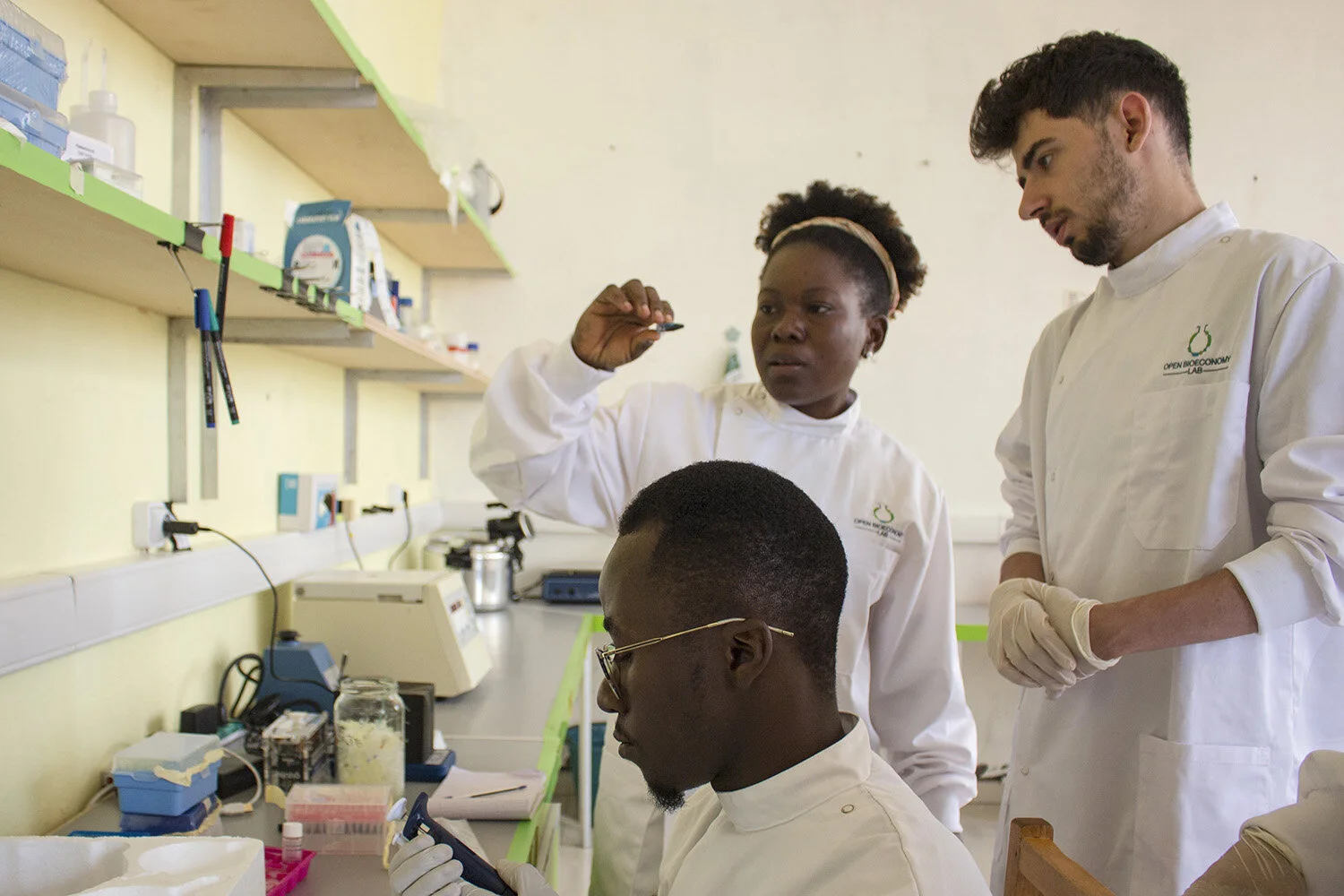
SDRC member, Dr. Drew Endy’s enzyme toolkit makes biotechnology globally accessible
A free, open-source and stable collection of enzymes for DNA design is helping scientists around the globe join in the exchange of biotechnology research.

Dean Minor discusses Why Medical Schools Need to Focus More on Nutrition
Ask any doctor, and they will tell you: One of the best ways to lead a healthy life is through proper nutrition.

SDRC member, Dr. Joseph Wu, is elected to National Academy of Medicine
Joseph Wu is among the 90 regular members and 10 international members elected this year to the academy, which aims to provide independent, scientifically informed analysis and recommendations on health issues.

Stanford, one of the seven sites to test the latest closed-loop insulin delivery system
The latest technology in Type 1 diabetes management improves the stability of patients' blood sugar levels throughout the day and especially at night, a new clinical trial has found. Findings from the large multi-center trial appears in the New England Journal of Medicine.
A decade-long study finds that roughly 1 in 10 people carry genetic variants that may blunt the blood sugar-lowering effects of widely used diabetes medications — raising new questions about precision medicine in diabetes care. Read more...