
Featured News
More News
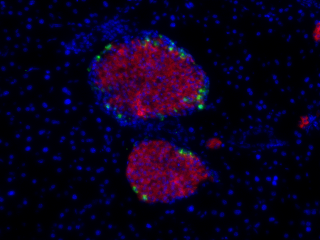
‘Gentle’ islet cell transplant cures mice of diabetes with few side effects, Stanford Medicine researchers (Dr. Seung Kim) say
A technique developed at Stanford Medicine allows mice with diabetes to accept unmatched islet cells and durably restores blood sugar control without immunosuppression or graft-versus-host disease.
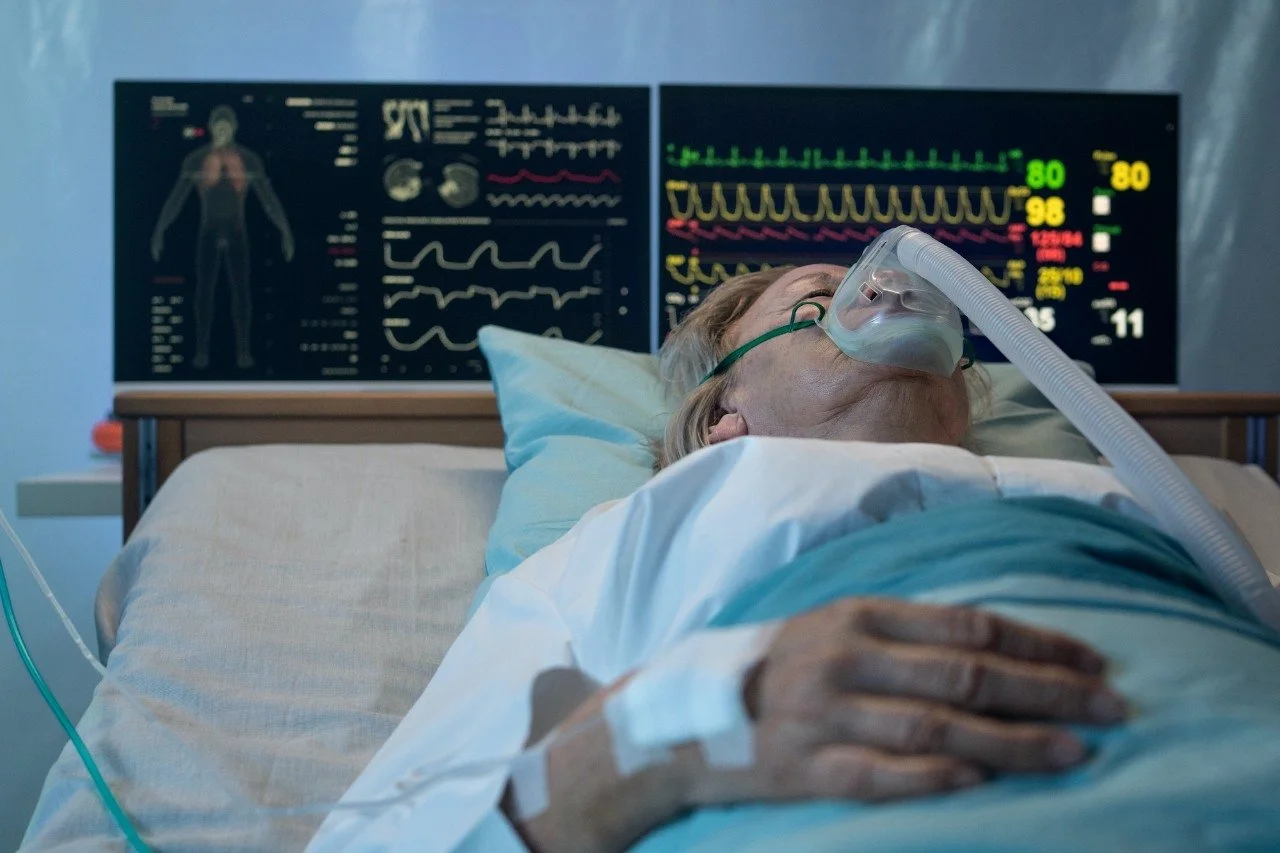
Researchers including Dr. Michael Snyder and Dr. Philip Tsao identify more than 1,000 genes linked to severe COVID-19
Using machine learning, researchers from Stanford Medicine and their collaborators found specific genetic signals in people who develop severe coronavirus infection.

Dr. Ananta Addala has won the Young Investigator Award for 2022
Dr. Ananta Addala has won the Young Investigator Award for 2022. This prize is supported by Medtronic.

Stanford Diabetes Research Center Member, Dr. Carolyn Bertozzi wins Nobel in chemistry
Stanford chemist Carolyn Bertozzi was awarded the Nobel Prize in chemistry for her development of bioorthogonal reactions, which allow scientists to explore cells and track biological processes without disrupting the normal chemistry of the cell.
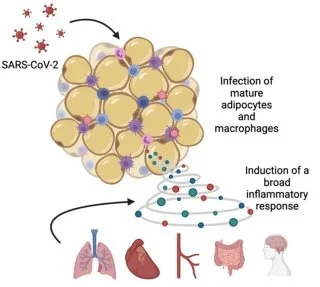
Stanford Medicine, Dr. Tracey McLaughlin study: SARS-CoV-2 infects fat tissue, creates inflammatory storm cloud
Stanford Medicine scientists’ findings could explain why obese people have a higher risk of SARS-CoV-2 infection and are more likely to progress to severe disease and die of infection.
A decade-long study finds that roughly 1 in 10 people carry genetic variants that may blunt the blood sugar-lowering effects of widely used diabetes medications — raising new questions about precision medicine in diabetes care. Read more...