
Featured News
More News
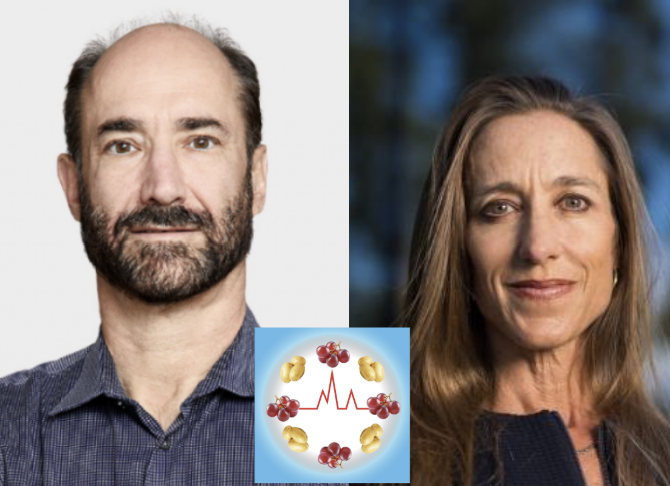
Stanford Study Links Post-Meal Blood Sugar Spikes to Metabolic Health Subtypes
In a detailed analysis of post-meal glucose responses, SDRC investigators Tracey McLaughlin and Michael Snyder reveal how individual responses to common carbohydrates—like potatoes, grapes, and rice—are shaped by insulin resistance, beta cell function and their molecular profiles. The findings suggest a path to personalized nutrition and diabetes prevention.
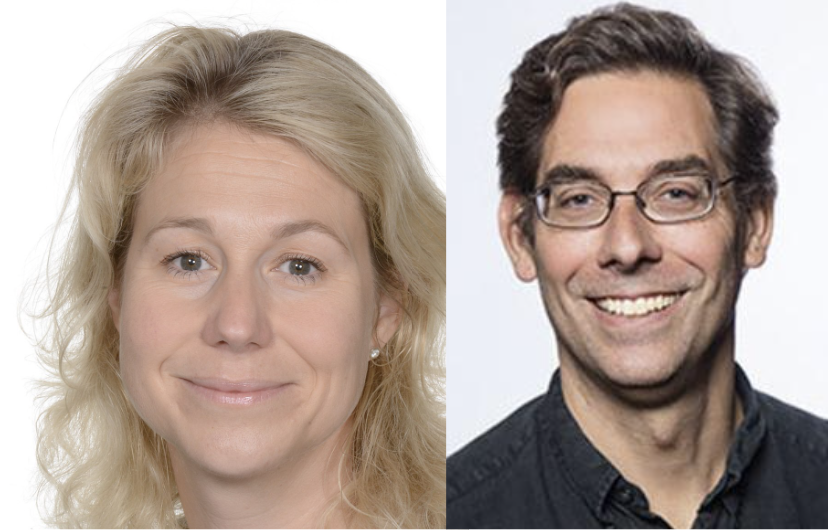
SDRC Investigators and Leaders, Maahs and Gloyn, garner prestigious honors
Anna Gloyn, SDRC Investigator was elected Fellow of the Academy of Medical Sciences (United Kingdom) 2025 for Outstanding Contributions to Medical Science. 4T study led by David Maahs was awarded the prestigious CRF Top 10 Award. See links below for more information.
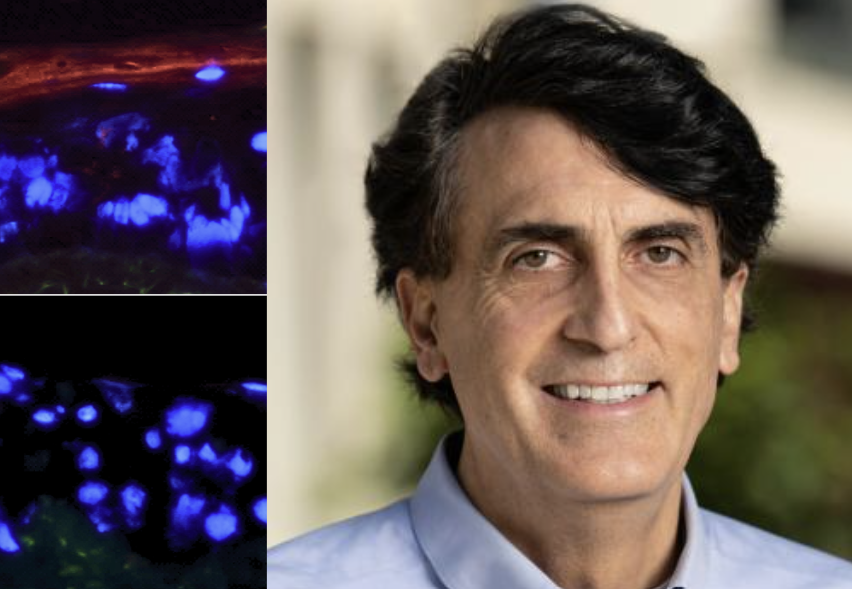
Glucose revealed as a master regulator of tissue regeneration in study led by Paul Khavari
SDRC investigator uncovers an unexpected and crucial role of glucose, the body's primary energy source, in orchestrating tissue maturation, highlighting its significance in diabetes and cancer.
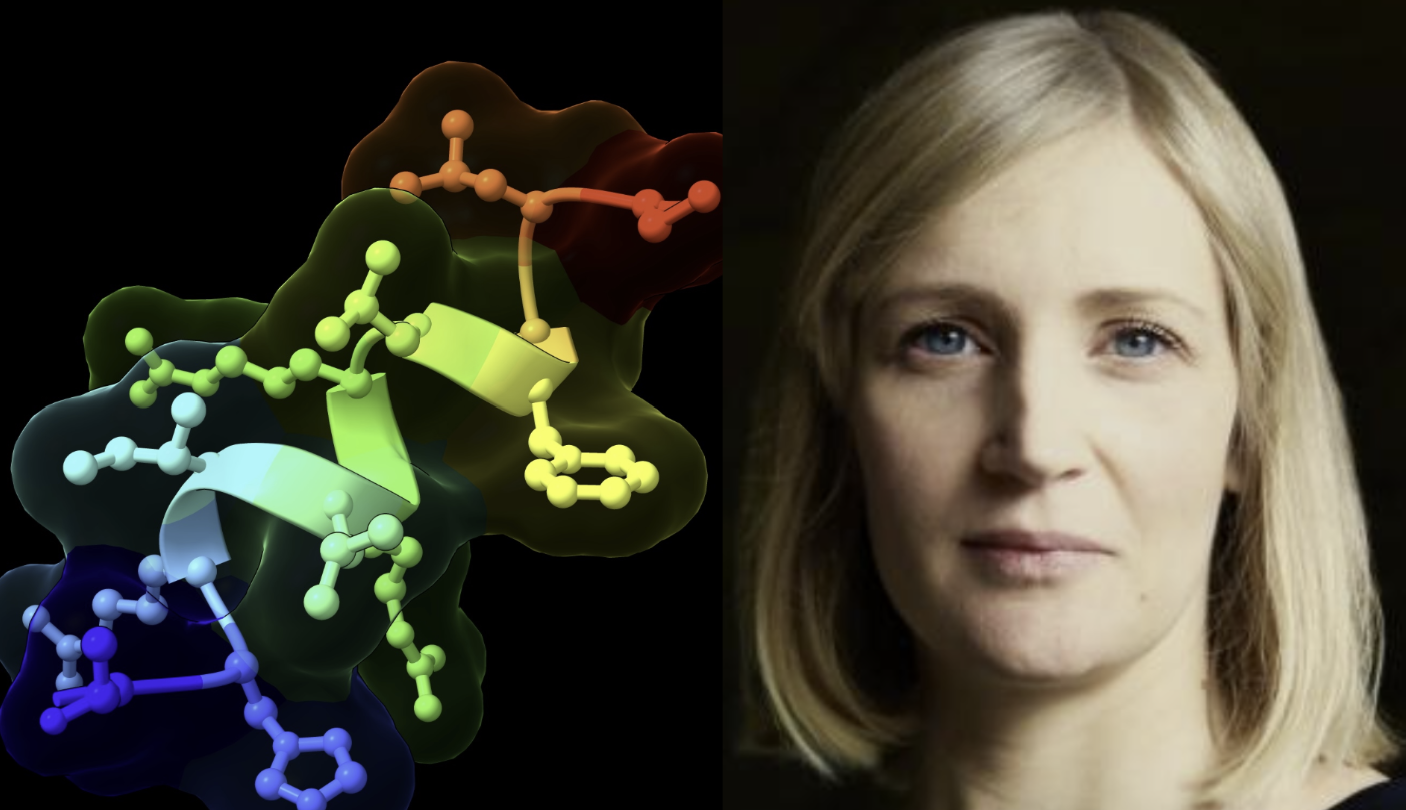
Breakthrough Study led by SDRC Investigator Katrin Svensson Identifies Ozempic Rival For Weight Loss Without The Side Effects
Using an AI-based algorithm, Katrin Svensson, PhD, and lead researcher Laetitia Coassolo, PhD, identified a 12-amino acid peptide that suppresses appetite and promotes weight loss in mice and minipigs by activating different metabolic and neuronal pathways than GLP-1.
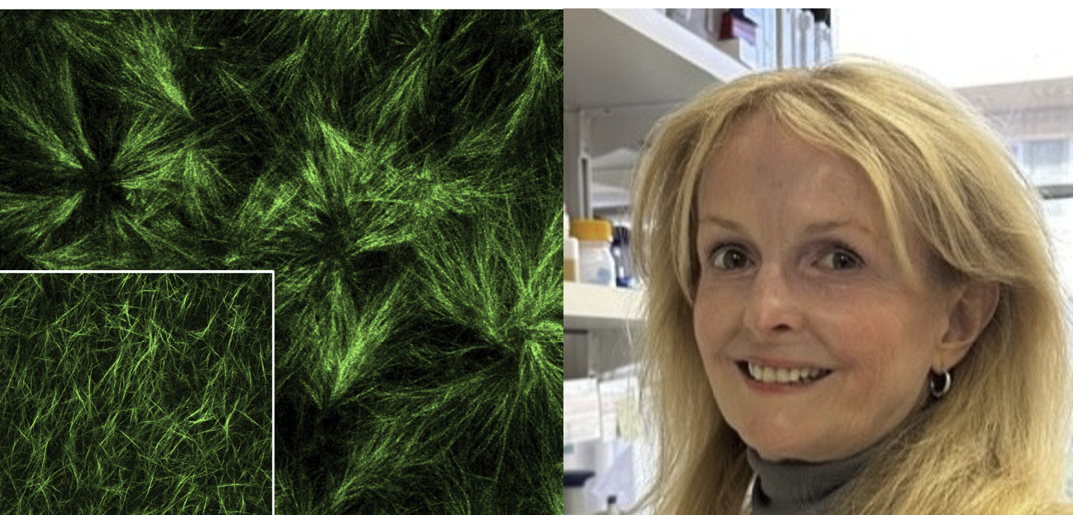
SDRC Investigator Natalie Torok Unveils New Insights on Liver Cancer Risk in Type 2 Diabetes Patients
A Stanford Medicine study led by Natalie Torok suggests revised screening guidelines, highlighting viscoelasticity as a key biophysical marker for liver cancer in diabetics, challenging traditional approaches to diagnosis.
SDRC member Anna Gloyn and others lead efforts mapping diabetes risk to pancreatic islet cell heterogeneity and genes that could drive variation in blood sugar regulation.