
Featured News

More News
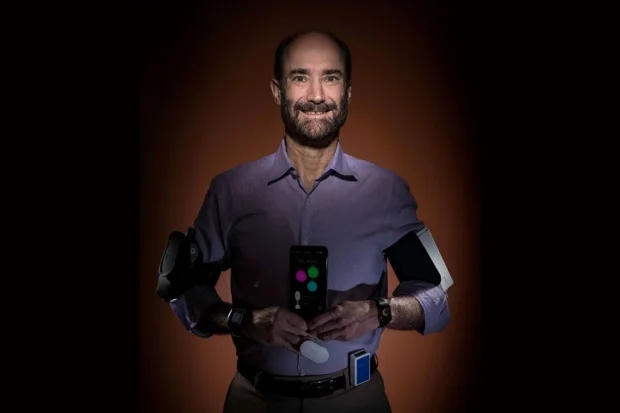
Study shows how big data can be used for personal health
Years-long tracking of individuals’ biology helped define what it meant for them to be healthy and showed how changes from the norm could signal disease, a Stanford-led study reports.
Trainees honored at the 4th Annual Frontiers in Diabetes Research Symposium on April 24th, 2019 with Best Poster Awards!
Keren Hilgendorf, Owen Jiang, and Yunshin Jung were awarded the Best Poster Awards at the Fourth Annual Frontiers in Diabetes Research Symposium.

Drug reduces risk of kidney failure in people with diabetes, study finds
Canagliflozin, a drug approved to lower glucose levels in diabetic patients, can slow the progression of kidney disease, according to a study co-authored by a Stanford Medicine researcher.

How to Design a Better Soda Tax
An analysis of Philadelphia’s sweet-drink “sin tax” finds a flaw in the system: Many people simply drive beyond city limits to buy their pop.

SDRC member, Dr. Michael Snyder will Co-Direct the new Stanford center that will create metabolic profiles of children
Researchers from throughout Stanford Medicine are planning to study thousands of metabolites in babies, children and pregnant women to understand the origins of disease.
A decade-long study finds that roughly 1 in 10 people carry genetic variants that may blunt the blood sugar-lowering effects of widely used diabetes medications — raising new questions about precision medicine in diabetes care. Read more...