
Featured News
More News

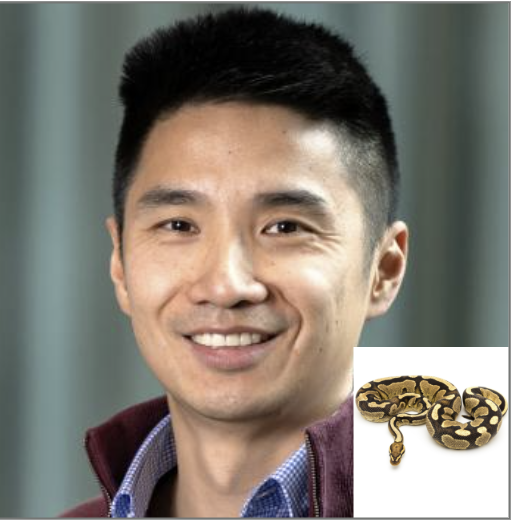
Is fake meat a real solution? Stanford expert explains
Plant-based and lab-grown meat substitutes are here to stay, but are unlikely to eliminate livestock agriculture’s climate and land use impacts anytime soon, according to Stanford environmental scientist David Lobell. In the meantime, Lobell says we should also focus on reducing emissions of animal-based systems. (Better-tasting fake cheese would be nice too.)

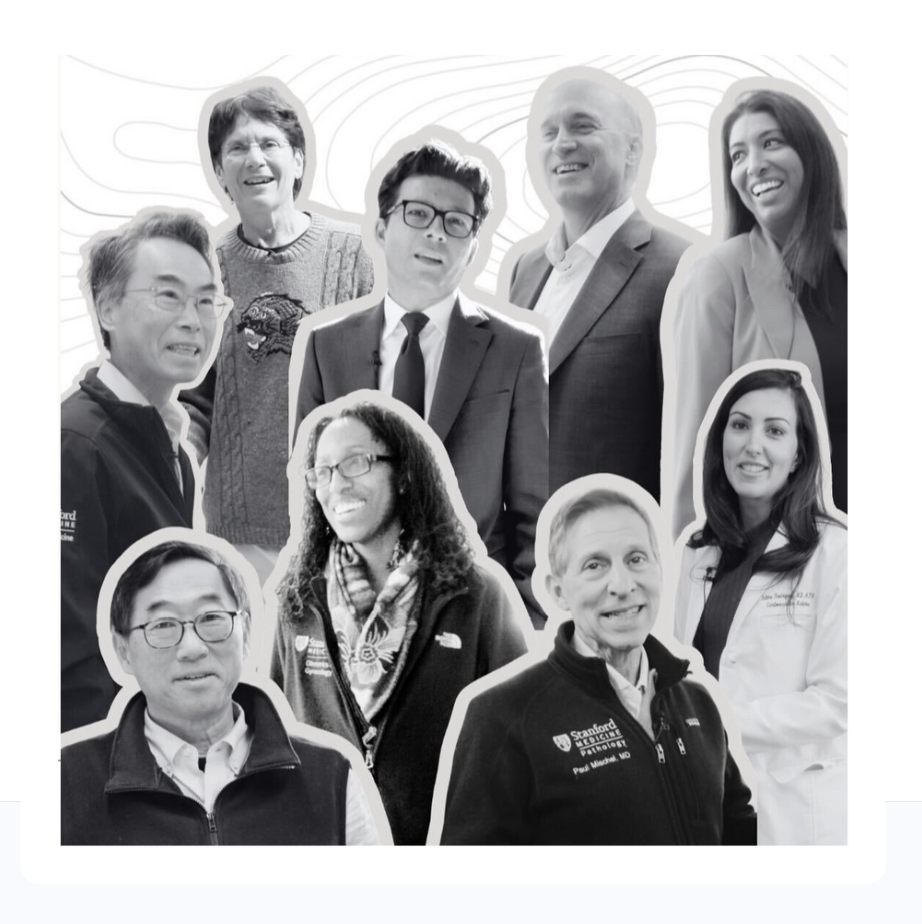
Dr. David Maahs will co-direct the NIH national diabetes training program, Diabdocs, to help endocrinologists build their expertise in type 1 diabetes research and treatment
Stanford Medicine recently became the national center for a program to improve the diversity and increase the number of physician-scientists who are experts in Type 1 diabetes.

Dr. Karl Deisseroth Receives the 2023 Japan Prize!
On January 24, 2023, Dr. Karl Deisseroth , the 2018 Kyoto Prize laureate in Advanced Technology, was selected as a recipient of the “Japan Prize” in Life Sciences. Many congratulations on this prestigious recognition!
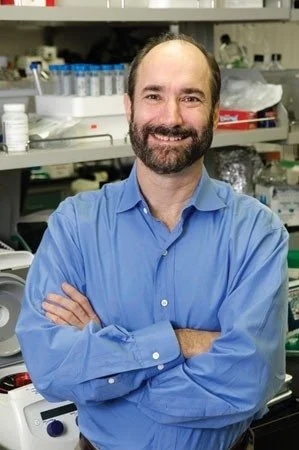
Stanford Medicine researchers including Dr. Michael Snyder measure thousands of molecules from a single drop of blood
Using a new technique called multi-omic microsampling, Stanford Medicine researchers can measure thousands of protein, fat and metabolic molecules from a single drop of blood.
Stanford Medicine scientists pinpoint COVID-19 virus’s entry and exit ports inside our noses
A discovery by Stanford Medicine researchers and colleagues may pave the way for a “morning after” or prophylactic nasal spray to prevent infection.
A decade-long study finds that roughly 1 in 10 people carry genetic variants that may blunt the blood sugar-lowering effects of widely used diabetes medications — raising new questions about precision medicine in diabetes care. Read more...