
Featured News

More News

SDRC Investigators Featured in Stanford Health Magazine’s ‘Breaking the Cycle’ Issue on Chronic Diseases
Discover groundbreaking work from the labs of Drs. Meyer, Snyder, McLaughlin, Maahs, Bhalla, and Robinson TN – read the full article here.
Exciting Study by SDRC Member Phil Beachy Uncovers How Hedgehog Signaling Protects Pancreatic Islets
New research reveals Desert hedgehog signaling (Dhh) from neuroendocrine cells drives epithelial-mesenchymal feedback (EMF) signaling, protecting tissues like airways and pancreatic islets from injury, with implications for therapeutic strategies in airway damage and diabetes.
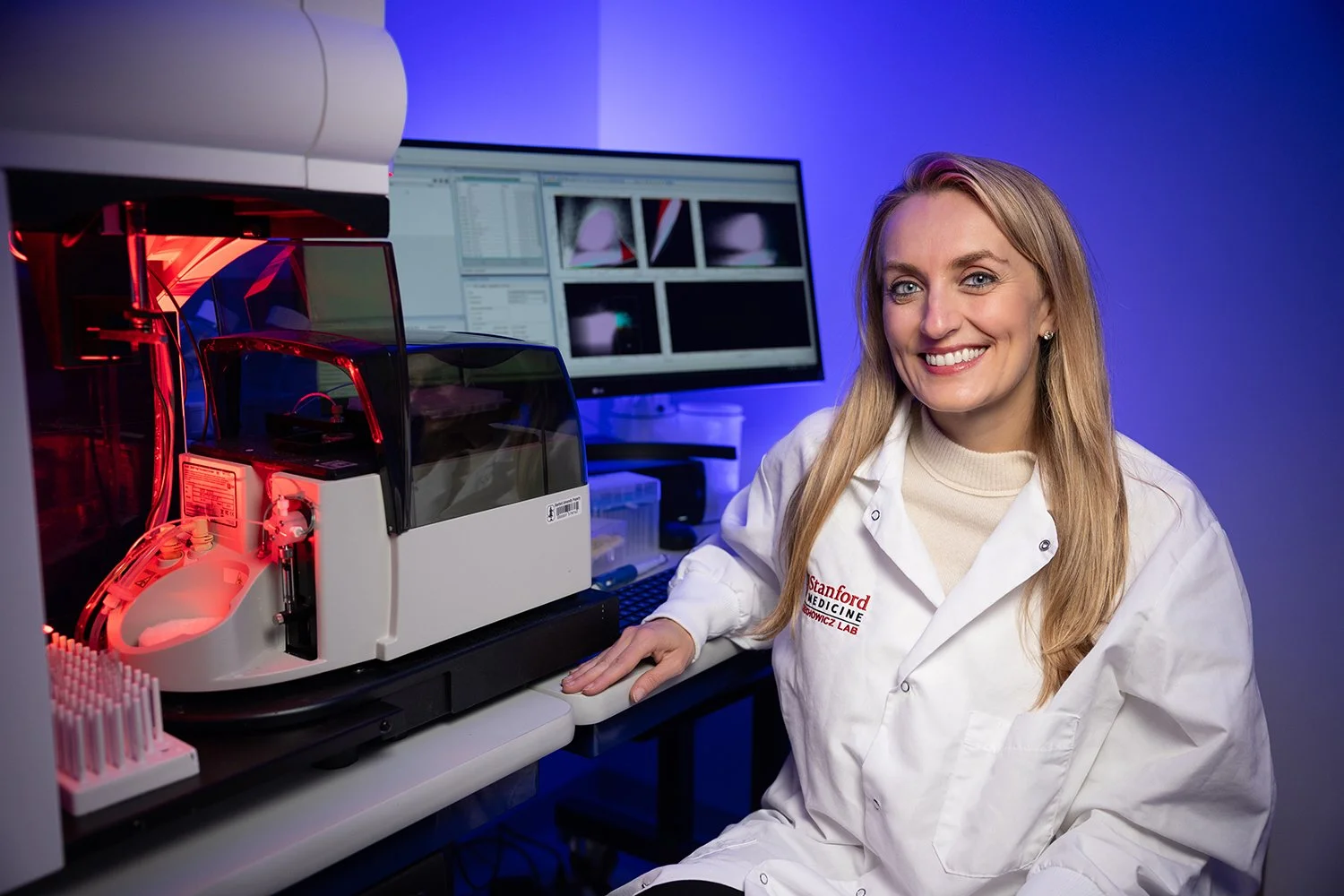
SDRC members use antibodies to enable blood stem cell transplants with minimized side effects
Dr. Agnieszka Czechowicz and colleagues used antibody treatment in a phase 1 clinical trial to enable blood-forming stem cell transplantation, an outcome that could pave the way for new islet replacement strategies in diabetes.
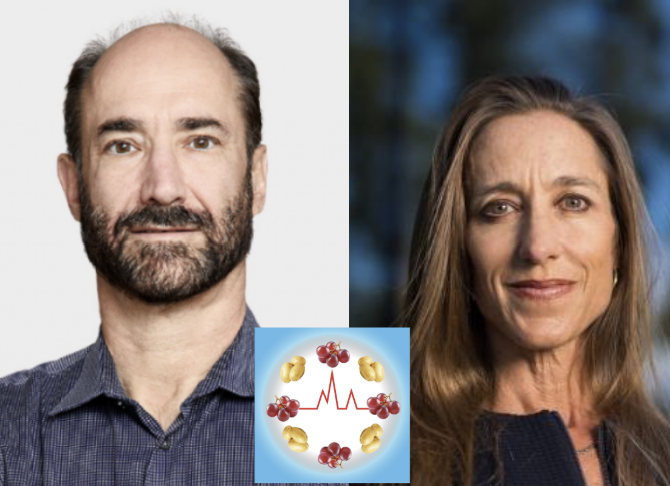
Stanford Study Links Post-Meal Blood Sugar Spikes to Metabolic Health Subtypes
In a detailed analysis of post-meal glucose responses, SDRC investigators Tracey McLaughlin and Michael Snyder reveal how individual responses to common carbohydrates—like potatoes, grapes, and rice—are shaped by insulin resistance, beta cell function and their molecular profiles. The findings suggest a path to personalized nutrition and diabetes prevention.
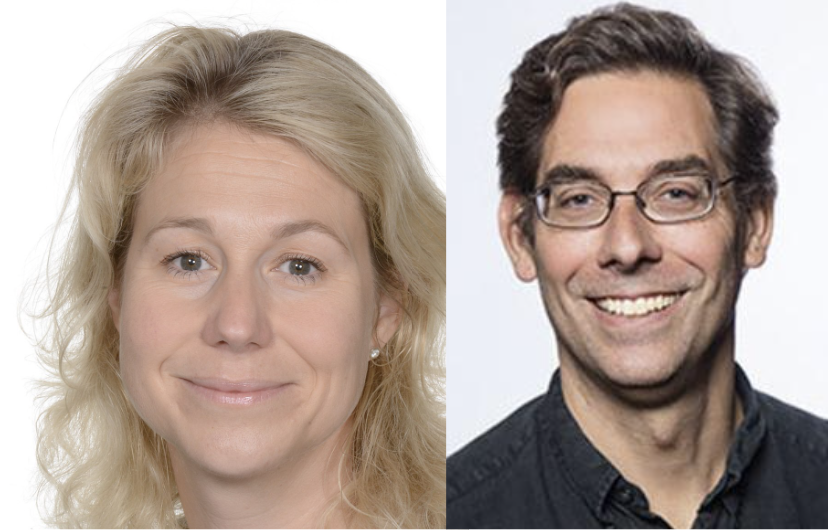
SDRC Investigators and Leaders, Maahs and Gloyn, garner prestigious honors
Anna Gloyn, SDRC Investigator was elected Fellow of the Academy of Medical Sciences (United Kingdom) 2025 for Outstanding Contributions to Medical Science. 4T study led by David Maahs was awarded the prestigious CRF Top 10 Award. See links below for more information.
A decade-long study finds that roughly 1 in 10 people carry genetic variants that may blunt the blood sugar-lowering effects of widely used diabetes medications — raising new questions about precision medicine in diabetes care. Read more...