
Featured News
More News
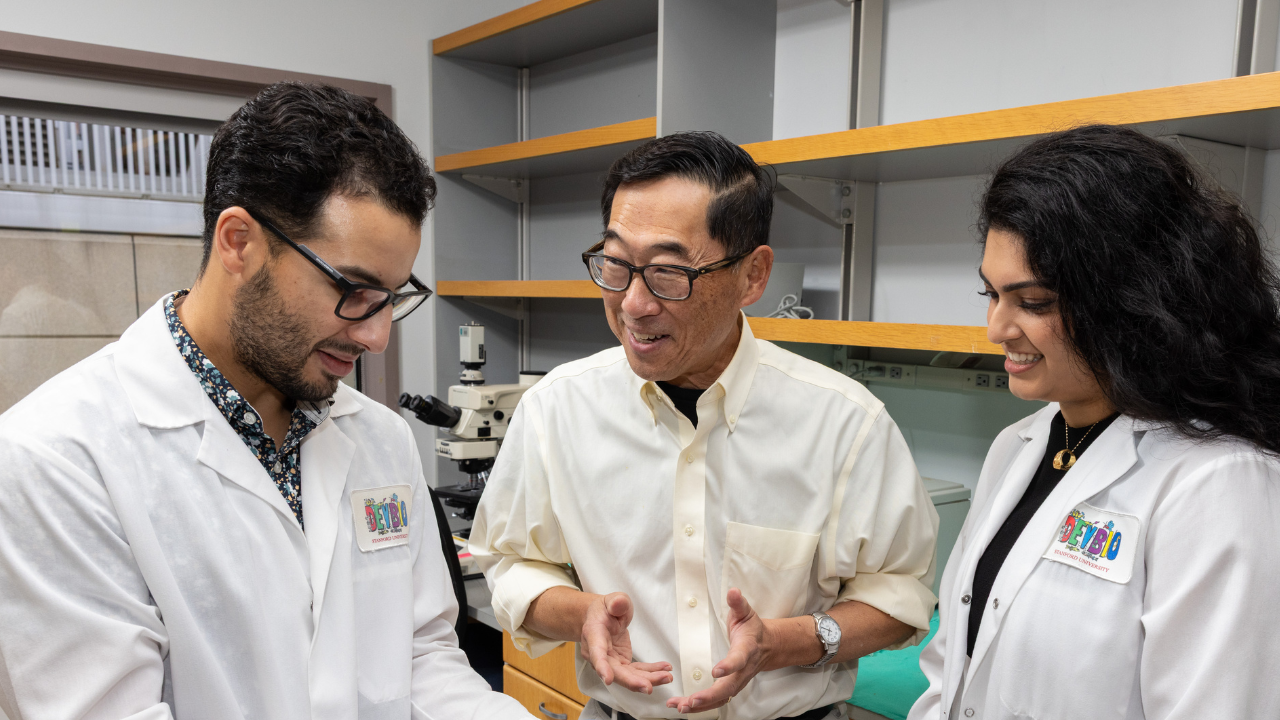
Type 1 Diabetes Cured in Groundbreaking Study with mice by SDRC investigators
A novel transplantation strategy resets the immune system and protects replacement islet cells, offering a path to cure Type 1 diabetes.

SDRC Investigators Featured in Stanford Health Magazine’s ‘Breaking the Cycle’ Issue on Chronic Diseases
Discover groundbreaking work from the labs of Drs. Meyer, Snyder, McLaughlin, Maahs, Bhalla, and Robinson TN – read the full article here.

Exciting Study by SDRC Member Phil Beachy Uncovers How Hedgehog Signaling Protects Pancreatic Islets
New research reveals Desert hedgehog signaling (Dhh) from neuroendocrine cells drives epithelial-mesenchymal feedback (EMF) signaling, protecting tissues like airways and pancreatic islets from injury, with implications for therapeutic strategies in airway damage and diabetes.
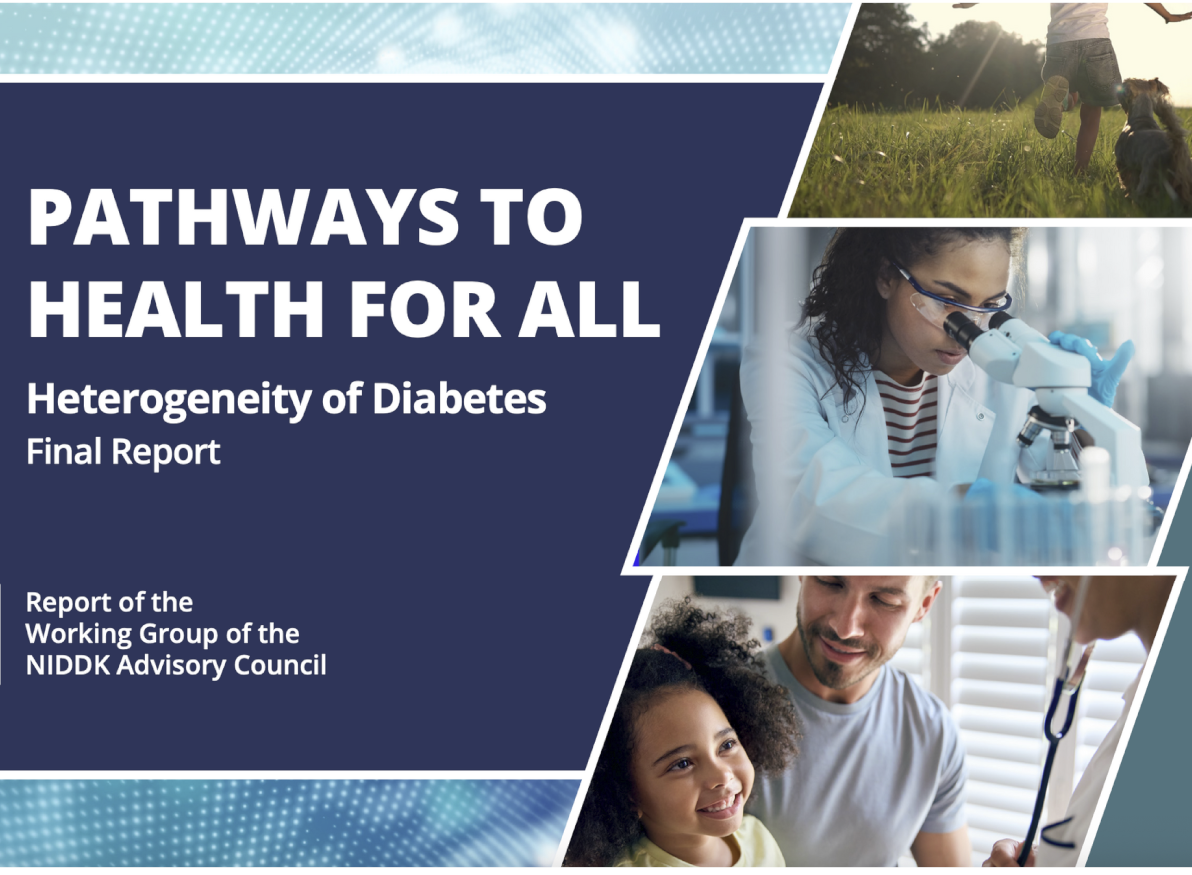
SDRC Leadership contribute to recent NIDDK Advisory Council Report
Drs. Snyder, Gloyn, and Svensson members of the SDRC participated in the NIDDK Council’s Working Group that has just published a report on the heterogeneity of diabetes. The report outlines key recommendations to advance research and improve understanding of the diverse forms of the disease.
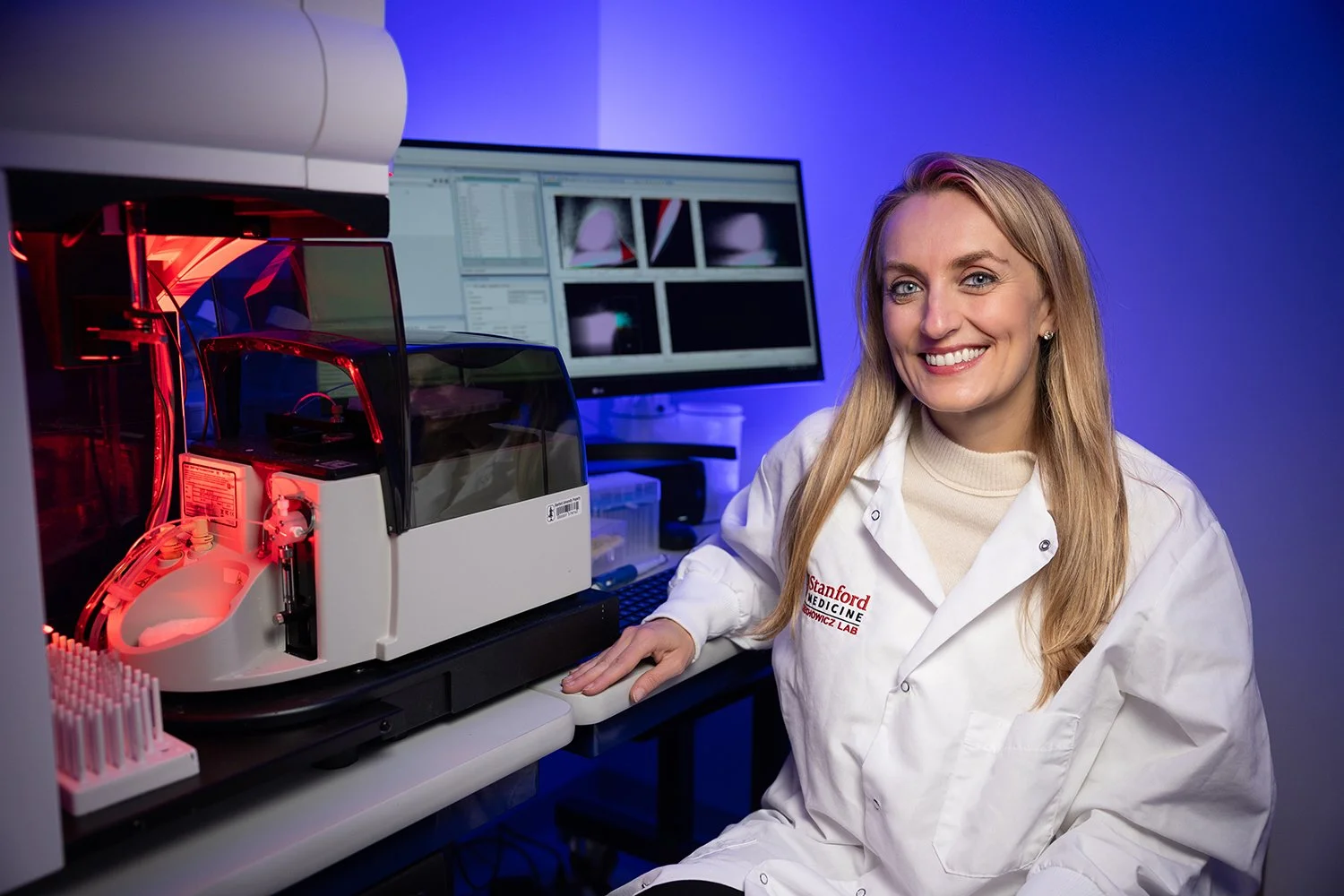
SDRC members use antibodies to enable blood stem cell transplants with minimized side effects
Dr. Agnieszka Czechowicz and colleagues used antibody treatment in a phase 1 clinical trial to enable blood-forming stem cell transplantation, an outcome that could pave the way for new islet replacement strategies in diabetes.
SDRC member Anna Gloyn and others lead efforts mapping diabetes risk to pancreatic islet cell heterogeneity and genes that could drive variation in blood sugar regulation.